
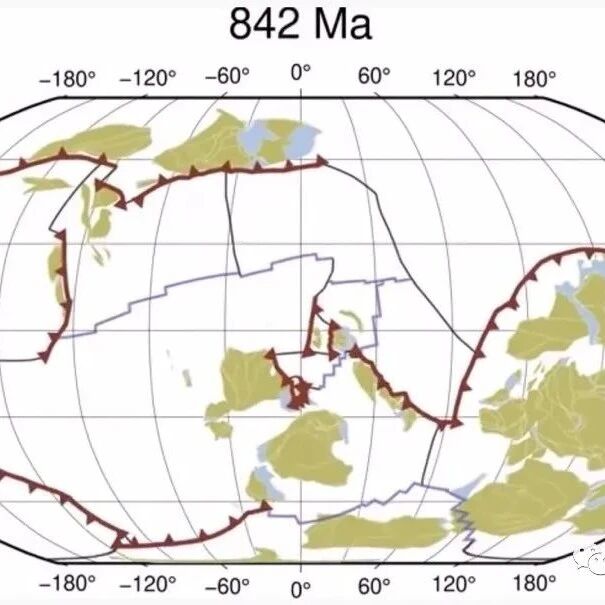
根据板块构造理论,地球的表面是由岩石板组成的,这些岩石板就在我们的脚下慢慢移动。由于这种不断地运动,今天的地球看起来与数百万年前有很大的不同。下面这段视频动画展示了地球板块从10亿年前的地质学时间到现在的变化过程。该视频时长40秒钟,从10亿年前(1000Ma)开始,每秒约2500万年的速度展示变化情况。
根据《地质学百科全书》,地球曾存在5个超大陆(Supercontinent):
·Kenorland: 2.7-2.5 billion years ago
·Nuna/Columbia: 1.6-1.4 billion years ago
·Rodinia: 950–800 million years ago
·Pannotia: 620-580 million years ago
·Pangea: 325-175 million years ago
根据该理论,地球板块的破裂和合拢的循环是由于俯冲作用而发生的,而俯冲作用是在构造板块相互交汇时发生的。超大陆周期也与海洋的形成有关。下面这个威尔逊周期的例子具体说明了大西洋及其前身伊普特斯洋是如何随着超大陆的漂移而形成的。
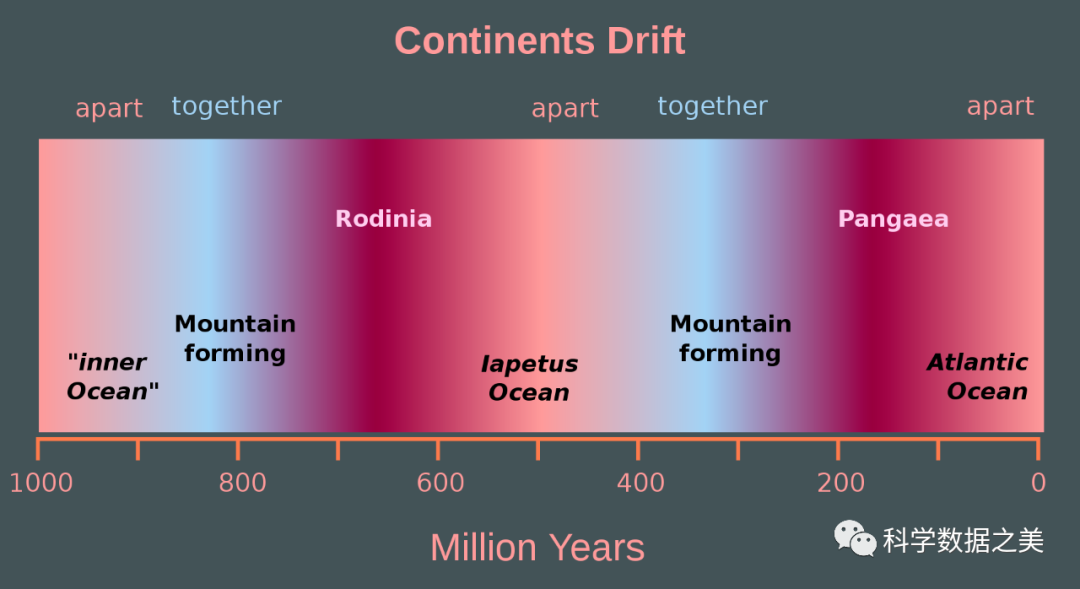
板块构造学理论帮助解释了大量未解答的地质问题,协助科学家了解火山、山脉和海脊是如何形成的。它对石油和天然气行业也很有价值,因为它解释了沉积盆地是如何形成的,使得我们有机会找到巨大的石油储备。
由于板块构造理论相对较新,在这一研究领域仍有许多东西有待发现。在2021年3月,多位科学家联合在《地球科学评论》发表了一篇题为《Extending full-plate tectonic models into deep time: Linking the Neoproterozoic and the Phanerozoic》的文章。文章首次将一个连续的板块模型可视化,显示了地球板块在过去10亿年中的移动情况。本文中的视频动画就是基于这篇文章的数据而制作的。
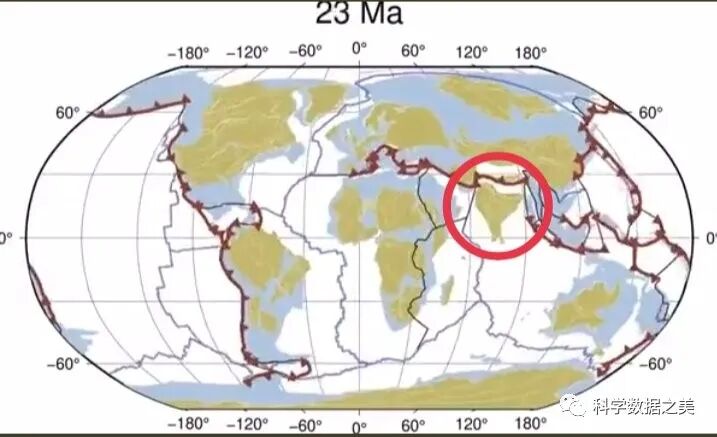
喜马拉雅山脉的形成:
Reference:
- Andrew S. Merdith, Simon E. Williams, Alan S. Collins, Michael G. Tetley, Jacob A. Mulder, Morgan L. Blades, Alexander Young, Sheree E. Armistead, John Cannon, Sabin Zahirovic, R. Dietmar Müller,
Extending full-plate tectonic models into deep time: Linking the Neoproterozoic and the Phanerozoic,Earth-Science Reviews,Volume 214,2021,103477,
ISSN 0012-8252,https://doi.org/10.1016/j.earscirev.2020.103477.
2. https://twitter.com/ErikSolheim/status/1543494751693029376